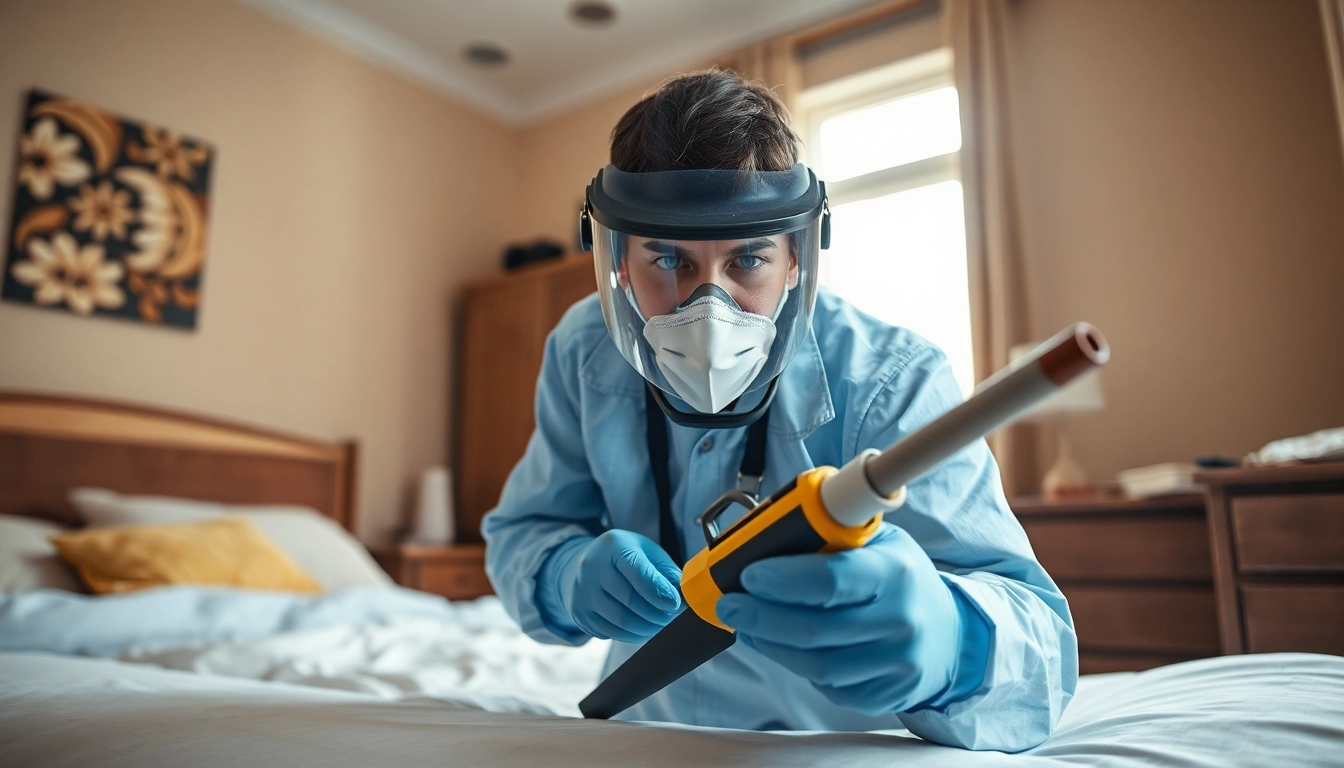

Overview of Bed Bug Exterminator Costs
When faced with the distressing reality of a bed bug infestation, many homeowners grapple with the financial implications of extermination. Understanding the bed bug exterminator cost is the first step toward finding a solution. This article aims to encapsulate the costs involved, influences affecting pricing, and the types of treatments available for combating these persistent pests.
Average Extermination Costs
The cost of professional bed bug extermination varies widely based on several factors, including the scale of the infestation, treatment methods, and geographic location. On average, homeowners can expect to pay between $1,000 and $5,000 for comprehensive treatment in a typical single-family home. Notably, prices for treating a smaller space, such as a single room, can begin as low as $150 to $300, depending on the severity of the infestation and the specific services provided by the exterminator.
Factors Influencing Prices
Several key factors influence the overall cost of bed bug extermination:
- Infestation Severity: The more extensive the infestation, the more intensive and repeated treatment is often required. Infestations that spread beyond one room or involve significant furniture are more complex and costly to address.
- Treatment Method: Different extermination methods, such as heat treatment, chemical sprays, or steam cleaning, come with varying price tags. Heat treatments, while often effective, can be on the higher end of the cost spectrum.
- Geographic Location: The cost of living in your area plays a significant role in determining extermination costs. Urban areas with higher demand may see inflated prices compared to rural regions.
Comparative Costs: Room vs. Whole Home
When deciding between treating a single room versus an entire home, it’s crucial to consider the potential for bed bug migration. Many pest control experts recommend treating the entire dwelling to prevent reinfestation. Costs for a whole home can exceed $2,000 but may ultimately save homeowners from incurring additional expenses due to repeated treatments.
Types of Bed Bug Treatments
Understanding the various types of treatments available can help homeowners make informed decisions regarding pest control strategies. Each method has its advantages and potential drawbacks.
Heat Treatment Options
Heat treatment is one of the most effective methods for exterminating bed bugs. This process involves raising the temperature of infested areas to a level that is lethal to bed bugs and their eggs, typically between 120°F and 135°F. The advantages of heat treatment include:
- Quick Results: Most heat treatments can eliminate bed bugs in a single visit, making it a time-efficient solution.
- Eco-Friendly: Heat treatments do not involve chemical pesticides, making them a safer option for households concerned about chemical exposure.
However, heat treatment may not be suitable for all items and often requires professional equipment and expertise.
Chemical Treatment Methods
Chemical treatments involve the application of insecticides specifically designed to target bed bugs. These treatments can vary in effectiveness and safety, making it essential to consult with certified pest control professionals to determine the best options. Benefits include:
- Cost-Effective: Chemical treatments can often be less expensive than heat treatments, especially for smaller infestations.
- Accessibility: Many pest control companies offer a range of chemical options, allowing for flexibility based on the infestation’s extent.
It is crucial, however, to ensure that any chemicals used are safe for use around people and pets.
Integrated Pest Management Approach
Integrated Pest Management (IPM) is a holistic approach that combines multiple strategies to manage bed bug infestations effectively. This approach may include:
- Preventive measures such as regular inspections and professional treatments.
- Education on how to identify signs of bed bugs early on.
- Collaboration with pest control professionals for customized treatment plans.
By employing IPM, homeowners can create a proactive strategy that minimizes the likelihood of future infestations and reduces overall treatment costs over time.
What Affects Bed Bug Exterminator Cost
Numerous factors can impact the total expense of bed bug extermination beyond just the treatment type. Recognizing these factors helps homeowners better prepare financially.
Infestation Severity
The level of infestation is a critical factor influencing cost. Mild infestations localized to one room generally incur lower costs, while severe infestations may necessitate extensive treatments and multiple visits. It’s important to have a professional assessment to understand the scope of the problem accurately.
Geographic Location
Costs can vary significantly from one location to another. Higher living costs in urban areas can lead to increased prices for extermination services. Additionally, local demand can affect availability and pricing; during peak times, the costs may rise due to high demand.
Property Size and Layout
Larger homes with more complex layouts often result in higher extermination costs. The more bedrooms, living spaces, and overall area to be treated, the more time and resources will be needed, thus raising the expense. Planning ahead for such variables can help avoid unexpected costs.
Preparing for Bed Bug Extermination
Preparation is key to a successful extermination process. Homeowners can take certain steps to ensure the treatment is effective and as seamless as possible.
Cleaning and Decluttering Tips
Before the exterminator arrives, it’s essential to prepare the space by cleaning and decluttering:
- Thoroughly vacuum all carpets, rugs, and upholstered furniture.
- Wash bedding, curtains, and clothing in hot water to eliminate any bed bugs present.
- Remove clutter from affected areas to allow unobstructed access for the exterminator.
Proper preparation can enhance the effectiveness of treatment and improve the overall outcome.
What to Expect from the Exterminator
During the visit, homeowners can expect the exterminator to conduct a thorough inspection, discussing findings and treatment options. It’s crucial to ask questions and express any concerns during this time to ensure a clear understanding of the process.
Post-Treatment Precautions
After treatment, follow-up checks and certain precautions can help ensure that the bed bugs do not return. Effective measures include:
- Continuing to vacuum regularly and maintain cleanliness.
- Using protective covers on mattresses and box springs.
- Monitoring for signs of bed bugs in the weeks following treatment.
Being proactive in these follow-ups plays a vital role in guaranteeing long-term success against bed bug infestations.
FAQs about Bed Bug Extermination
How often should bed bug treatments be done?
The frequency of bed bug treatments largely depends on the severity of the infestation. Most situations require at least two or three treatments spaced a few weeks apart for complete eradication.
Can I treat bed bugs myself to save costs?
While DIY treatments are possible, they can often be unreliable and may lead to larger infestations. Professional extermination is recommended for guaranteed results.
What should I do to prepare my home for treatments?
Cleaning and decluttering, vacuuming carpets, and washing infested bedding are essential preparation steps to ensure effective extermination.
Are there any guarantees with bed bug extermination services?
Many pest control services offer guarantees, but these can vary. Always inquire about specific guarantees and their coverage before treatment begins.
How long does the extermination process take?
Depending on the treatment method and the extent of the infestation, the extermination process can take anywhere from a few hours to a couple of days, including follow-up visits.