Understanding Structural Steel Welding
Definition and Importance
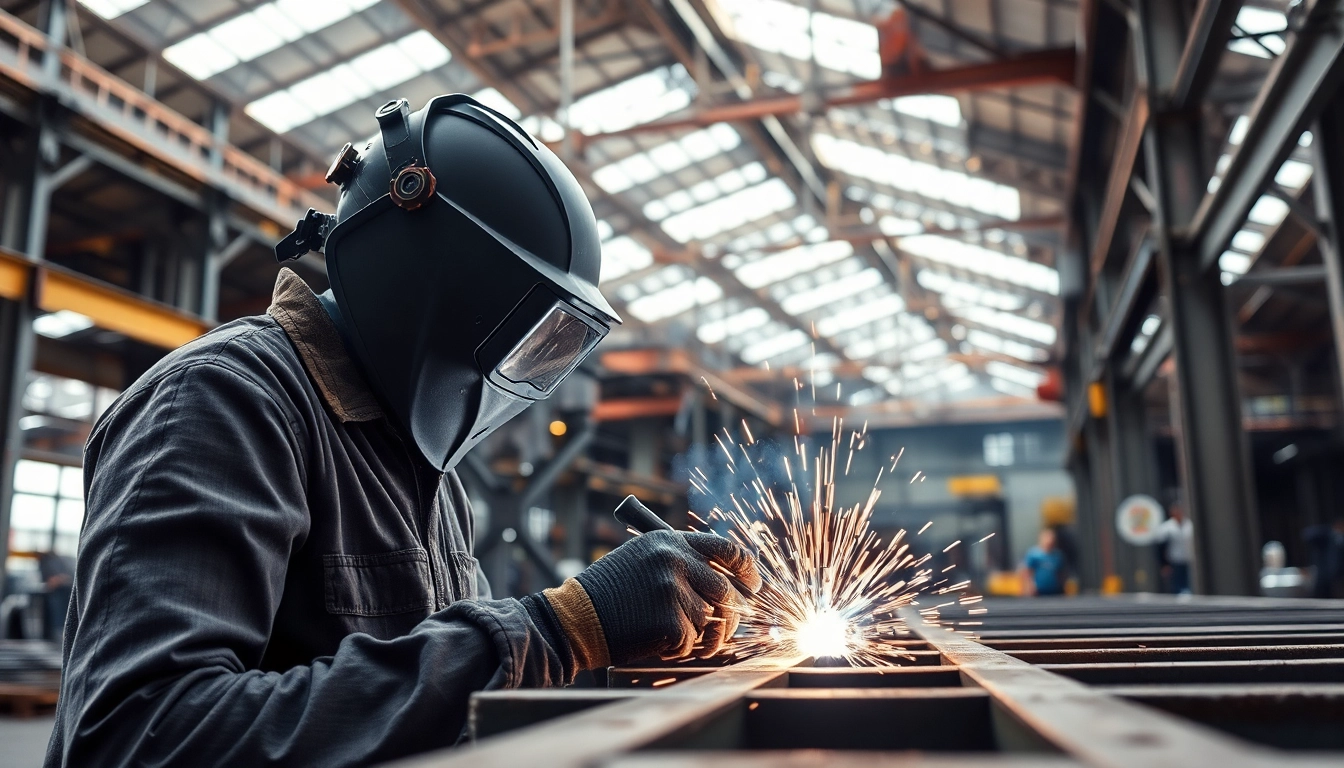
Structural steel welding involves the process of joining structural steel components through melting and fusion, typically using heat generated by an electric arc or flames. This technique is crucial for constructing buildings, bridges, and various infrastructure projects, providing the necessary strength and stability to support loads. As the backbone of modern infrastructure, understanding the intricacies of structural steel welding is essential for engineers, fabricators, and builders alike.
The significance of structural steel welding extends beyond the mere joining of steel; it holds a vital role in ensuring the overall safety and integrity of structures. A well-executed weld can withstand significant stress and environmental factors, making it a critical element in design and construction. Without precision in welding practices, the longevity and performance of steel structures could be jeopardized, leading to costly repairs and potentially dangerous failures.
Types of Structural Steel Used
When it comes to structural steel welding, various types of steel can be employed, each with its specific properties and applications. The most common types of structural steel include:
- Carbon Steel: This is the most prevalent type of structural steel, known for its strength and versatility. It is primarily alloyed with carbon, which increases its hardness and tensile strength.
- Alloy Steel: Alloy steels contain additional elements such as manganese, molybdenum, or nickel, enhancing certain properties like toughness and hardness. These steels are often used in more specialized applications.
- Stainless Steel: Known for its resistance to corrosion and oxidation, stainless steel is ideal for structures exposed to harsh environments. Its welding requires specific techniques to maintain its properties.
- High-Strength Low-Alloy (HSLA) Steel: Incorporating small amounts of alloying elements enhances the strength of HSLA steel without significantly increasing its weight. This type is often used in heavy construction and transportation applications.
Welding Processes Explained
Welding processes vary widely, each suited to different types of structural steel and specific project requirements. Key welding processes utilized in structural steel welding include:
- Shielded Metal Arc Welding (SMAW): Also known as stick welding, SMAW is a widely used manual process that employs an electrode coated with flux to protect the weld pool from contamination.
- Gas Metal Arc Welding (GMAW): Often called MIG welding, GMAW uses a continuously fed wire electrode and a shielding gas to protect the weld. This process is known for its versatility and efficiency.
- Flux-Cored Arc Welding (FCAW): Similar to MIG welding, FCAW uses a continuously fed wire, but the core contains flux capable of shielding without the need for external gas in certain conditions.
- Gas Tungsten Arc Welding (GTAW): Known as TIG welding, GTAW uses a non-consumable tungsten electrode and requires a filler metal to be manually added. This process provides high-quality welds with excellent precision.
Common Challenges in Structural Steel Welding
Heat Management Issues
Effective heat management is crucial in the welding process, as excessive heat can lead to warping, distortions, or reduced material properties. Various factors contribute to heat management challenges, such as electrode type, welding speed, and the technique used.
Implementing preheating techniques and controlling post-weld heat treatment can help mitigate these issues. By maintaining an ideal heat input, welders can ensure the integrity of the structural component while minimizing the risk of defects.
Material Compatibility and Selection
Choosing the right materials for welding is paramount for achieving strong, durable welds. Different grades of steel may react differently under heat and stress, resulting in potential compatibility issues.
It is essential for welders to be knowledgeable about the mechanical and chemical properties of the materials being joined. Utilizing filler metals that match the base metals' composition and properties can significantly enhance the performance of the weld.
Workplace Safety Protocols
Safety is a top priority in structural steel welding. The welding environment presents multiple hazards, including exposure to harmful fumes, intense light, and the risk of burns. Adhering to safety protocols not only protects welders but also enhances productivity.
Implementing proper training, providing personal protective equipment (PPE), and having clear emergency procedures can significantly reduce incidents in the workplace. Regular safety audits and embracing a culture of safety contribute to a more efficient welding operation.
Best Practices for Quality Structural Steel Welding
Preparation and Setup Techniques
The preparation phase is critical in ensuring that welds achieve optimal strength and integrity. Proper cleaning of the steel surfaces, removing contaminants, and aligning components accurately are essential steps.
Additionally, setting up the appropriate welding parameters, such as voltage and amperage, based on material thickness and type, can significantly influence the quality of the welds. Effective preparation sets the stage for successful welding outcomes.
Choosing the Right Welding Equipment
The choice of equipment can greatly impact the efficiency and quality of structural steel welding. Welders should select equipment that is specifically designed for the materials and processes they will be using.
This includes selecting the appropriate welder type (e.g., MIG, TIG), ensuring the right size and type of filler wire, and using compatible shielding gases. Investing in high-quality equipment can enhance performance and prolong the lifespan of tools.
Effective Joint Design Considerations
Joint design plays a pivotal role in the strength and performance of welded structures. Different joint configurations (such as butt, lap, and corner joints) have unique strengths and weaknesses depending on the application.
Effective joint design should account for factors like load direction, expected stress, and environmental conditions. Employing best practices, such as minimizing the heat-affected zone and choosing the right joint type, can greatly enhance the durability of the welds.
Performance Metrics in Structural Steel Welding
Quality Control Measures
Establishing robust quality control measures is essential for ensuring the structural integrity of welded components. This includes performing regular inspections during and after the welding process, using visual assessment tools and non-destructive testing methods.
Implementing quality management systems can help maintain high standards throughout the welding process, allowing for early detection of potential defects and maintaining compliance with industry standards.
Inspecting Welds for Structural Integrity
Post-weld inspections are critical for assessing the quality of welds. Inspectors should evaluate factors such as joint penetration, bead profile, and the presence of defects like cracks or inclusions.
Utilizing non-destructive testing techniques, such as ultrasonic testing or radiographic inspection, can provide a thorough evaluation of weld integrity without compromising the welded structure. Regular inspections ensure that any issues are addressed promptly and effectively.
Measuring Efficiency and Productivity
Efficiency metrics, such as the rate of welds completed per hour or per unit cost, can help assess the productivity of welding operations. Analyzing these metrics allows businesses to identify areas for improvement, optimizing processes for better throughput.
Investing in training and upgrading equipment can lead to significantly increased productivity, contributing to more profitable welding projects. Moreover, aligning operational strategies with effective performance metrics can ensure long-term success in structural steel welding.
Future Trends in Structural Steel Welding
Advancements in Welding Technology
The landscape of structural steel welding is continually evolving with advancements in technology. Modern developments include innovations in welding machinery, automation, and real-time monitoring systems that enhance precision and reduce human error.
Technologies like laser welding and electron beam welding are gaining traction for their speed and efficiency, pushing the boundaries of what is achievable in metal fabrication.
Integration of Robotics in Welding Processes
Robotics is becoming an integral part of the welding process, offering improved accuracy and consistency. Automated welding systems can perform repetitive tasks with high precision, significantly increasing output while reducing labor costs.
The use of robotic arms equipped with advanced sensors allows for real-time adjustments during welding, optimizing the process for various materials and joint configurations.
Sustainability Practices in Steel Fabrication
As concerns over environmental impacts grow, the steel fabrication industry is leaning towards more sustainable practices. This includes reducing waste, recycling materials, and utilizing energy-efficient processes during welding.
Emphasizing green welding processes and selecting materials with environmental credentials can not only minimize the carbon footprint but also appeal to a growing market of eco-conscious clients.