Introduction to Structural Steel Welding
Structural steel welding is a vital component in the construction and metal manufacturing industries, involving the process of joining steel components to create robust structures. This specialized technique ensures the integrity and stability of various constructions. Understanding the fundamentals of structural steel welding is essential for professionals in the field, as it influences safety, durability, and performance outcomes across diverse applications.
What is Structural Steel Welding?
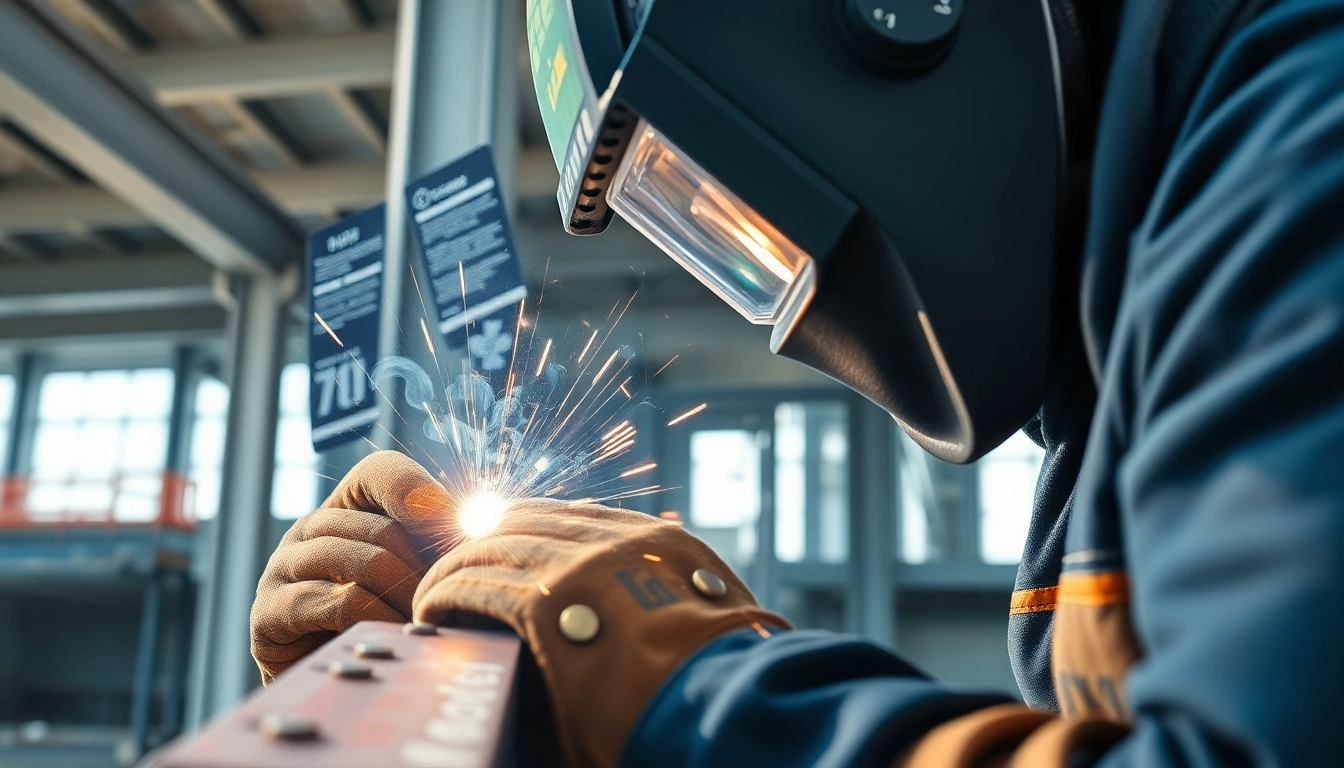
Structural steel welding encompasses several methods utilized to bond metal pieces, primarily steel, that are integral to building frameworks. This method allows for the assembly of steel structures such as beams, columns, and trusses, which support buildings and bridges. Understanding the technical aspects of welding, including the various types employed, helps ensure that welds meet industry standards and withstand environmental stresses.
Importance of Proper Welding Techniques
Proper welding techniques are crucial for achieving strong, durable, and defect-free welds. Inadequate practices can lead to structural failures, which not only pose safety risks but can also result in significant financial losses. Good welding practices ensure the correct alignment and penetration of welds, ultimately contributing to the overall integrity of the structure. Training and adherence to established standards, such as those outlined by the American Welding Society (AWS), are vital in this domain.
Common Applications in Construction
Structural steel welding is widely employed in numerous construction applications, including:
- High-rise buildings, where steel frameworks are essential for stability and weight distribution.
- Bridges, which require robust connections to endure traffic loads and environmental challenges.
- Industrial structures, where durability and resistance to harsh conditions are paramount.
- Residential buildings, often utilizing steel reinforcement to enhance structural resilience.
Types of Welding Processes for Structural Steel Welding
There are several welding processes utilized in structural steel welding, each catering to different applications and materials. Understanding the distinct advantages and uses of each can help professionals select the most appropriate technique.
Arc Welding Methods
Arc welding methods, including Shielded Metal Arc Welding (SMAW) and Gas Metal Arc Welding (GMAW), are among the most prevalent in structural welding. These processes involve using an electric arc to melt electrodes and base metals together, forming a robust join. SMAW, often discerned as stick welding, is favored for its versatility, commanding a wide array of applications and materials. GMAW, or MIG welding, is preferred for its speed and efficiency, making it ideal for high-production environments.
Flux-Cored Arc Welding Techniques
Flux-Cored Arc Welding (FCAW) employs a tubular wire filled with flux that provides shielding against contaminants. This method is particularly effective for welding in outdoor settings where wind may interfere with protective gas coverage. FCAW can be performed in a semi-automatic or automatic manner, enhancing productivity. Its versatility allows for both thin and thick materials to be welded with precision.
Comparative Analysis of Welding Processes
Choosing the right welding process involves analyzing factors such as material thickness, environmental conditions, and project specifications. SMAW is excellent for heavy-duty components but may require more skill and time. In contrast, GMAW is faster and more efficient, albeit requiring a clean environment to work effectively. FCAW offers flexibility and suitability for various conditions, making it a reliable choice for many applications. Evaluating the needs of the project will dictate the ideal welding technique.
Choosing the Right Equipment for Structural Steel Welding
The choice of equipment in structural steel welding directly impacts the quality and efficiency of the final product. An understanding of essential tools, safety mechanisms, and maintenance practices is crucial for practitioners in the field.
Essential Tools and Gear
Essential tools for structural steel welding include welding machines, electrodes, welding helmets, and protective clothing. Selecting the right welding machine is paramount, as it should align with the chosen welding process and material type. Additionally, utilizing high-quality electrodes or filler materials ensures strong bond formation. Protective gear, including helmets, gloves, and flame-resistant clothing, safeguards welders from hazards associated with welding.
Safety Equipment and Best Practices
Safety is a non-negotiable aspect of welding practices. Welders should always wear appropriate personal protective equipment (PPE) to shield themselves from sparks, ultraviolet light, and thermal exposure. Moreover, ensuring proper ventilation in the workspace is essential to prevent inhalation of harmful fumes. Adherence to safety protocols, including routine checks of equipment and immediate reporting of hazards, can significantly enhance workplace safety.
Maintenance of Welding Equipment
Regular maintenance of welding equipment ensures its longevity and operational efficiency. Maintenance tasks should include cleaning the machines, checking electrical connections, inspecting hoses for leaks, and replacing worn-out parts. A well-maintained toolset not only enhances performance but also reduces the risk of accidents and prolongs equipment lifespan.
Challenges in Structural Steel Welding
Welders face various challenges in structural steel welding that can affect project quality and outcomes. Identifying and addressing these issues are crucial for successful welding operations.
Identifying Common Welding Defects
Common welding defects such as porosity, undercutting, and incomplete fusion can severely compromise the integrity of a weld. Identifying these defects early is essential for rectifying problems before they escalate. Regular quality control measures, including visual inspections and non-destructive testing methods, can help identify potential issues. Training welders in recognizing these defects fosters a proactive approach to maintaining weld quality.
Strategies for Quality Control
Implementing effective quality control strategies is vital in structural steel welding. Employing standardized inspection procedures, utilizing skilled inspectors, and maintaining comprehensive documentation can significantly enhance quality assurance. In addition, tracking weld performance metrics aids in identifying trends and areas for improvement, creating a culture of continuous quality enhancements.
Environmental Factors Influencing Welding
Environmental conditions such as humidity, temperature, and wind can greatly affect welding quality. High humidity can lead to increased porosity, whereas low temperatures can result in brittle fractures. Addressing these factors through pre-welding preparations, adjusting welding parameters, or utilizing specialized protective measures assists welders in achieving superior results, even under adverse conditions.
Certifications and Training in Structural Steel Welding
With the complexity of structural steel welding, certification programs and ongoing training are vital for ensuring that welders possess the necessary skills and knowledge to perform effectively. Various organizations offer certification that validates a welder's technical capability and adherence to industry standards.
Overview of Certification Programs
Numerous certification programs are available for welders, each focusing on the skills and standards necessary for structural welding. The American Welding Society (AWS) offers several certifications that are recognized industry-wide, including the Certified Welding Inspector (CWI) and Certified Welding Educator (CWE) programs. Participation in these programs not only enhances a welder's credentials but also ensures they are equipped with the latest techniques and standards compliance.
Skill Development and Training Opportunities
Skill development is essential in maintaining a competitive edge in structural steel welding. Numerous trade schools and community colleges offer specialized training programs that cover both theoretical and hands-on aspects of welding. Participating in apprenticeships allows welders to gain practical experience, learn from seasoned professionals, and stay abreast of advancements in the field.
Importance of Continuous Education in Welding
The welding industry is continuously evolving, with new technologies and practices emerging regularly. Continuous education is vital for welders to keep their skills relevant and aligned with contemporary standards. Attending workshops, webinars, and industry conferences provides opportunities for welders to gain insights into the latest advancements and enhance their technical expertise.