
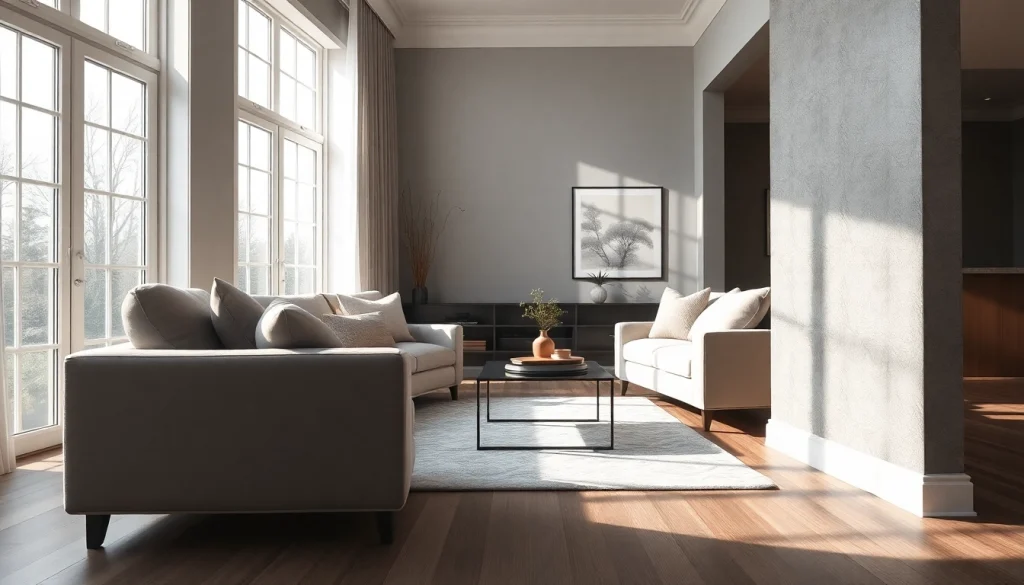
Understanding Baseboards and Their Importance
What Are Baseboards?
Baseboards are a vital component of interior design, serving as the transition between the walls and the floor. They are typically made from wood, vinyl, or composite materials, and vary in height, style, and finish. Functionally, baseboards protect the lower walls from scuffs and damage, while aesthetically, they can enhance the overall look of a room. Choosing the right baseboards can tie together a room’s design and create a polished appearance.
The Functionality of Baseboards
Beyond their decorative role, baseboards serve several important functions in a home. They protect walls from furniture and foot traffic, keep dust and dirt from accumulating in wall crevices, and provide a clean finish against flooring materials. Additionally, they can help contain drafts in areas like door frames and windows, contributing to energy efficiency. Their size and style can either blend seamlessly into a space or stand out as a design feature, showcasing a homeowner’s personal style.
Types of Baseboards Available
There is a diverse range of baseboards available, each suited for different aesthetics and purposes. Standard options include:
- Wood Baseboards: Classic and versatile, offering a timeless appearance.
- MDF Baseboards: Made from medium-density fiberboard, these are affordable and paintable, making them ideal for customized looks.
- Vinyl Baseboards: Durable and resistant to moisture, perfect for kitchens and bathrooms.
- Flexible Baseboards: Ideal for curved areas, providing a seamless fit around non-linear surfaces.
Choosing the Right Baseboards for Your Space
Material Options for Baseboards
When selecting baseboards, the material is of utmost importance. Consider durability, maintenance, and overall look. For instance, wood baseboards add warmth and can be stained or painted, while vinyl baseboards offer waterproof benefits in moisture-prone areas. Medium-density fiberboard is a popular choice for those on a budget due to its affordability and paint-ready surface. Always assess the specific environment of your home to make an informed decision.
Design Styles to Consider
Baseboards come in various styles that can suit any interior design theme. Traditional designs often feature detailed molding with crown tops and decorative elements. Modern styles tend to be simpler and sleeker, focusing on minimalism. For a more rustic look, consider reclaimed wood or distressed finishes. Take into account other decor elements in your home to ensure a cohesive look.
Color and Finish Choices
The color and finish of the baseboards can greatly impact your room’s atmosphere. White is a classic choice that provides a clean look and matches with most decor. Darker colors can make a bold statement and add drama. Consider glossy finishes for spaces that need a touch of elegance, or matte finishes for a softer, more subdued look. Always test samples in the actual space, as lighting can affect how colors appear.
Installation Process for Baseboards
Measuring and Cutting Baseboards
The installation of baseboards begins with precise measurements. Use a tape measure to determine the length of each wall where the baseboards will be installed. Always account for corners and any necessary angles; using a miter saw for angled cuts can ensure a seamless fit. It’s advisable to have a helper to hold the baseboards in place for accurate measurement.
Tools Required for Installation
To install baseboards successfully, gather these essential tools:
- Miter saw for cutting angles
- Tape measure for precise measurements
- Nail gun or hammer and finishing nails
- Caulking gun for filling gaps
- Paint or stain for finishing touches
Step-by-Step Installation Guide
Follow these steps for a successful baseboard installation:
- Measure and cut the baseboards according to your wall lengths.
- Dry fit the pieces together to ensure proper alignment.
- Attach the baseboards using a nail gun or hammer, securing them to the wall studs for stability.
- Fill any gaps between the baseboards and the wall with caulk for a smooth finish.
- Once installed, paint or stain to your desired finish, allowing sufficient drying time.
Maintenance and Care of Baseboards
Cleaning Techniques for Baseboards
Regular cleaning of baseboards helps maintain their appearance. Use a soft cloth or a feather duster to remove dust, then follow up with a damp cloth and a mild soapy solution for deeper cleaning. For stubborn stains, a gentle scrub with a soft bristle brush may be necessary. Avoid harsh chemicals that could damage the finish of the baseboards.
Repairing Damaged Baseboards
Over time, baseboards can sustain damage from impacts or moisture. For small dents, filling with wood filler and sanding can restore their appearance. For larger issues or holes, replacing the affected section might be necessary. Ensure you paint or stain the repair to match the existing baseboard for a uniform look.
Refreshing Your Baseboards with Paint
To give your baseboards a fresh look, repaint them every few years or after significant renovations. Begin by cleaning and lightly sanding the existing finish to ensure the new paint adheres properly. Choose a high-quality, durable paint and apply with a brush for precision, ensuring an even coat. Allow ample time for drying between coats.
Frequently Asked Questions About Baseboards
What is the optimal height for baseboards?
The optimal height for baseboards typically ranges from 3 to 6 inches, depending on the room size and ceiling height. Taller rooms can opt for higher baseboards to maintain proportion.
Can I install baseboards over carpet?
Yes, you can install baseboards over carpet, but it’s recommended to use a higher profile or flexible baseboard that can accommodate the carpet’s thickness for a clean finish.
How do I choose the right style of baseboards?
Consider your overall home design style, the height of your ceilings, and existing molding features to select a baseboard style that complements your decor.
What is the best material for moisture-prone areas?
Vinyl baseboards are ideal for moisture-prone areas such as bathrooms and kitchens due to their durability and resistance to water damage compared to traditional wood.
How can baseboards improve my home’s value?
Well-chosen and properly installed baseboards enhance a home’s aesthetic appeal, which can increase its overall value by contributing to a polished and attractive interior design.