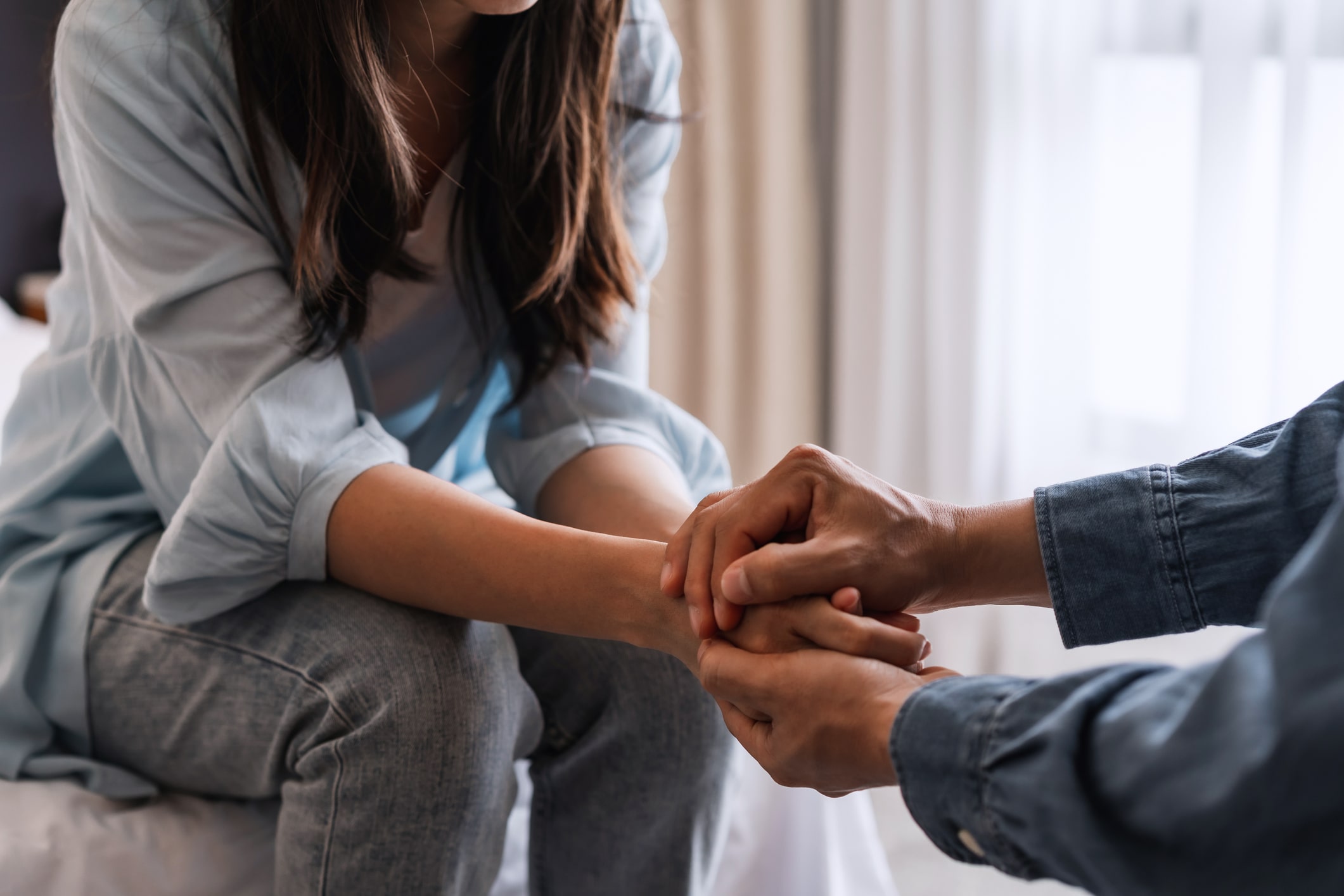

Understanding Anxiety Symptoms
Anxiety is a common yet complex mental health issue that can manifest in various ways, including physical sensations, cognitive processes, and emotional responses. Anxiety symptoms can range from mild to severe and may occur in any combination, significantly affecting one’s daily life. By understanding these symptoms, individuals can take proactive steps toward managing them and improving their overall well-being.
Common Physical Anxiety Symptoms
Physical symptoms of anxiety can be some of the most identifiable manifestations. They frequently include:
- Increased Heart Rate: Often described as palpitations, this can feel like your heart is racing or pounding.
- Sweating: Excessive sweating that is disproportionate to the level of physical exertion can be a clear sign of anxiety.
- Trembling or Shaking: Individuals might experience fine motor tremors, which can be disturbing and further perpetuate feelings of anxiety.
- Shortness of Breath: A feeling of being unable to catch your breath can often accompany a panic attack or acute anxiety episodes.
- Muscle Tension: Almost everyone has experienced muscle tightness, but when it becomes chronic, it may indicate underlying anxiety.
These symptoms can often confuse individuals, leading them to believe they are experiencing a physical illness when, in reality, they stem from anxiety.
Cognitive Anxiety Symptoms Explained
Cognitive symptoms are less visible but critical to understanding anxiety as they significantly affect decision-making and perception. Common cognitive anxiety symptoms include:
- Racing Thoughts: Many individuals report their minds moving too quickly, making it hard to focus on a single thought.
- Fear of Losing Control: A common fear is that one may lose their ability to manage situations or their emotional responses.
- Overthinking: Individuals may dwell on past mistakes or become overly fixated on potential future problems.
- Sensitivity to Feedback: Some may overreact to comments or critiques, feeling they are personal attacks or indications of failure.
- Difficulty Concentrating: Anxiety can distract individuals, making it hard to focus on tasks or conversations.
Emotional Responses to Anxiety Symptoms
Anxiety can elicit strong emotional responses that can be both frustrating and debilitating. Emotional symptoms often include:
- Feelings of Restlessness: A persistent sense of unease can make it challenging to relax or feel at peace.
- Irritability: Many people experience heightened sensitivity, often reacting in frustration even to minor annoyances.
- Feelings of Hopelessness: Persistent feelings of anxiety can lead individuals to believe they will never feel better or find relief.
- Fear and Panic: In severe cases, anxiety can lead to panic attacks — sudden and overwhelming feelings of fear.
- Social Withdrawal: Individuals may begin to avoid social situations due to the potential for anxiety-provoking experiences.
Identifying Triggers of Anxiety Symptoms
Identifying triggers is an essential step in understanding and managing anxiety symptoms. Different factors can exacerbate these symptoms, and recognizing them can lead to effective coping strategies.
Daily Life Situations That Increase Anxiety Symptoms
Many aspects of everyday life can serve as catalysts for anxiety symptoms, including:
- Work-related Stress: Heavy workloads, strict deadlines, or challenging interpersonal relationships at work can elevate anxiety levels.
- Significant Life Changes: Events like moving to a new home, changing jobs, or experiencing changes in family dynamics can trigger anxiety.
- Financial Stress: Concerns about financial stability can lead to overwhelming anxiety symptoms.
- Interpersonal Conflicts: Tensions with friends, family, or coworkers can result in increased feelings of anxiety.
- Health Concerns: Personal health issues or fears about loved ones’ health can manifest as heightened anxiety.
Environmental Factors Affecting Anxiety Symptoms
The environment plays a crucial role in shaping an individual’s mental well-being. Environmental triggers may include:
- Loud Noises: Sudden loud sounds or persistently noisy environments can heighten anxiety symptoms.
- Overcrowded Spaces: Being in crowded or enclosed spaces can lead to feelings of panic and discomfort.
- Climate and Weather: Seasonal changes, especially during darker months or extreme weather events, can affect mood and anxiety levels.
- Digital Overload: The constant influx of social media and news can contribute to anxiety due to information overload.
- Negative Atmospheres: Constant exposure to negativity, whether in personal or work-life, can aggravate anxiety symptoms.
Personal Experiences and Anxiety Symptoms
Personal experiences, including trauma or loss, can deeply influence anxiety levels. Common contributors include:
- Past Traumatic Events: Experiences like accidents, abuse, or major losses can trigger intimate anxiety reactions.
- Chronic Stress: A prolonged period of stress can shift the way an individual responds to new challenges, amplifying anxiety symptoms.
- Family History: Genetic predispositions towards anxiety can make individuals more susceptible to developing similar symptoms.
- Learned Behaviors: Individuals may mimic anxiety responses from caregivers or via their environment, perpetuating cycles of anxiety.
- Unexpected Changes: Abrupt changes in life circumstances often provoke anxiety in uncertainty and feelings of powerlessness.
Effective Coping Strategies for Anxiety Symptoms
Coping with anxiety symptoms effectively involves cultivating balanced strategies that encompass emotional, cognitive, and physical well-being.
Breathing Techniques and Mindfulness
Implementing breathing and mindfulness techniques can significantly reduce anxiety symptoms. Effective methods include:
- Deep Breathing Exercises: Practicing slow, deep breaths can reduce tension and induce a state of calmness.
- Progressive Muscle Relaxation: This involves tensing and then relaxing different muscle groups to alleviate physical tension associated with anxiety.
- Mindfulness Meditation: Engaging in mindfulness can help ground individuals and reduce anxiety by focusing on the present moment.
- Visualization Techniques: Imagining a peaceful place can provide a quick mental escape from anxiety-provoking situations.
- Biofeedback: Using devices that track physiological responses can teach individuals how to control their body’s reactions to anxiety.
Physical Activities to Reduce Anxiety Symptoms
Physical activity is a proven way to alleviate anxiety symptoms. Here are several beneficial exercises:
- Regular Exercise: Activities like jogging, walking, or swimming can increase endorphins, promoting a positive mood.
- Yoga: Combining physical postures with mindfulness can enhance relaxation while building strength and flexibility.
- Dance Therapy: Expressing oneself through dance can release pent-up energy and improve mood.
- Martial Arts: These practices promote discipline and focus while allowing individuals to channel anxious energy positively.
- Outdoor Activities: Engaging with nature through hiking or gardening has shown benefits in reducing anxiety.
Seeking Professional Help for Anxiety Symptoms
Sometimes, anxiety symptoms can become overwhelming, and seeking professional help becomes crucial. Professional interventions may include:
- Therapy: Cognitive Behavioral Therapy (CBT) is particularly effective for addressing maladaptive thought patterns.
- Medication: In some cases, medications such as antidepressants or anti-anxiety drugs can help manage symptoms effectively.
- Support Groups: Group therapy provides a community of understanding peers, offering shared experiences and coping strategies.
- Holistic Approaches: Some may benefit from integrative practices, such as acupuncture or massage therapy, for holistic symptom management.
- Psychoeducation: Understanding one’s condition and forming strategies can empower individuals and reduce feelings of helplessness.
Long-term Management of Anxiety Symptoms
Managing anxiety symptoms is often an ongoing process requiring commitment, but long-term strategies can lead to significant improvements in quality of life.
Establishing Healthy Routines
Creating a solid routine can provide a sense of stability and predictability. Consider the following:
- Consistent Sleep Schedule: Prioritizing restful sleep is critical for emotional resilience and cognitive function.
- Balanced Diet: Nutritional choices can impact mood; consider incorporating whole foods, fruits, and vegetables.
- Time Management: Structuring your day effectively can alleviate feelings of overwhelm and promote productivity.
- Regular Reflection: Journaling can serve as a tool for processing emotions and identifying stressors.
- Self-Care Activities: Regularly scheduled downtime for hobbies or relaxation can aid emotional well-being.
Building Emotional Resilience Against Anxiety Symptoms
Emotional resilience is vital for coping with anxiety. Individuals can enhance this through:
- Positive Affirmations: Practicing self-affirmations can boost self-esteem and counteract negative thoughts.
- Flexibility in Thoughts: Learning to approach problems with an open mind can lessen feelings of powerlessness and promote solutions.
- Gratitude Journaling: Regularly noting things to be thankful for can shift focus away from anxiety toward positive aspects of life.
- Social Connections: Building and maintaining strong social relationships can provide a support system during tough times.
- Learning New Skills: Engaging in personal development can increase confidence and adaptability in challenging situations.
Support Systems for Managing Anxiety Symptoms
Effective support systems can significantly enhance coping mechanisms. Options include:
- Friends and Family: Trusted loved ones provide emotional support and understanding, easing feelings of isolation.
- Community Programs: Local groups may offer workshops and resources focused on mental health awareness and strategies for coping.
- Online Forums: Engaging in online communities can foster a sense of belonging and provide shared experiences.
- Accountability Partners: Forming alliances with others facing similar challenges can foster motivation and mutual encouragement.
- Professional Networks: Maintaining contact with mental health professionals can ensure ongoing support and guidance.
FAQs About Anxiety Symptoms
What are the most common anxiety symptoms?
The most common anxiety symptoms include increased heart rate, sweating, difficulty concentrating, feelings of restlessness, and panic attacks. These can vary between individuals.
How can I tell if I have anxiety symptoms?
If you consistently experience excessive worry, physical symptoms (like rapid heartbeat), or find it challenging to concentrate, it may indicate an anxiety disorder; consider consulting a professional for evaluation.
What techniques help alleviate anxiety symptoms?
Techniques such as deep breathing, mindfulness meditation, regular exercise, and cognitive behavioral therapy are effective in alleviating anxiety symptoms and promoting calmness.
Are anxiety symptoms always the same for everyone?
No, anxiety symptoms can vary widely among individuals. Symptoms may depend on personal experiences, environments, and biological factors, making each experience unique.
When should I seek help for anxiety symptoms?
If anxiety symptoms interfere with daily life, relationships, or professional responsibilities, or if they become overwhelming, seeking professional help is recommended for appropriate support and guidance.