
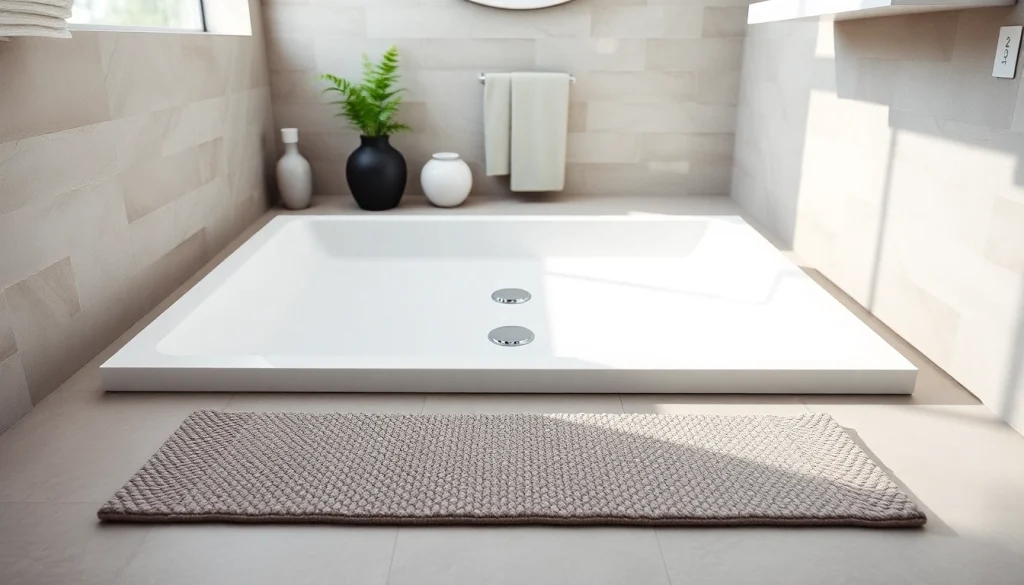
Understanding the Shower Base
What is a Shower Base?
A shower base, often referred to as a shower pan, is a crucial component in the construction of a shower unit. It serves as the foundation where the entire shower is built upon and is designed to catch and redirect water towards the drain. A quality shower base ensures that the water stays contained within the designated shower area while providing a sturdy surface on which to stand during the shower. By effectively channeling water, shower bases prevent leaks and water damage that could affect the surrounding areas of your bathroom. For existing showers or new installations, selecting the right shower base is vital for longevity and functionality.
Types of Shower Bases
Shower bases come in various types, each suited to different preferences and bathroom layouts. The most common types include:
- Pre-fabricated bases: These are ready-made shower pans that are easy to install and are available in numerous styles and sizes.
- Cast concrete bases: Offering a custom touch, these bases are molded on-site to fit perfectly within your unique shower space.
- Tile bases: Composed of tiles set over a waterproof membrane, this type allows for personalized aesthetics but requires meticulous installation to avoid leaks.
- Custom shower bases: Built specifically for unique spaces, custom bases can accommodate various design elements and features.
Material Options for Shower Bases
The choice of material for your shower base significantly influences its performance, aesthetic appeal, and durability. Common materials include:
- Acrylic: Lightweight and easy to clean, acrylic is a popular choice due to its resistance to staining and scratching.
- Fiberglass: Somewhat similar to acrylic, fiberglass is another affordable option but may wear over time if not maintained properly.
- Ceramic: Durable and aesthetically pleasing, ceramic tiles offer a vast range of designs but can be more labor-intensive to install.
- Natural stone: Materials like marble or granite provide a luxurious look but require regular sealing to prevent staining.
Benefits of Installing a Quality Shower Base
Enhancing Safety and Functionality
A well-chosen shower base enhances safety by providing a stable and slip-resistant surface. This is particularly crucial for children and seniors who may be prone to falls. Additionally, quality bases often come with built-in features such as anti-slip textures or a slight slope towards the drain to facilitate effective water drainage. Ensuring that your base meets safety standards can significantly reduce accidents in the bathroom.
Impact on Aesthetics
The shower base contributes greatly to the overall look of your bathroom. Selecting a style and finish that complements your design scheme can create an inviting and cohesive space. For instance, a sleek, modern acrylic base might suit a contemporary bathroom, while rustic stone options might be ideal for traditional or natural-themed designs. Customizable options also allow for unique artistic expressions through the use of different tiles or patterns.
Long-term Cost Efficiency
Investing in a high-quality shower base may come with a higher upfront cost, but its durability and resistance to wear and damage can pay off in the long run. A well-maintained shower base reduces the likelihood of leaks and potential water damage, thus minimizing repair costs over time. Furthermore, energy-efficient installations — such as proper drainage systems — can reduce water waste, ultimately leading to lower utility bills.
Choosing the Right Size Shower Base
Measuring Your Bathroom Space
To ensure the best fit, careful measurement of the shower area is essential. Consider the amount of space available for the shower, including the height, width, and depth. Utilize a tape measure to obtain precise dimensions, and account for any fixtures or obstacles. This process ensures a smooth installation and maximizes usability without compromising style.
Standard Sizes vs. Custom Sizes
Shower bases are available in both standard sizes and custom configurations. Standard bases are generally easier to find and can be installed quickly, making them a popular choice for many homeowners. However, custom bases allow for unique design preferences and can effectively utilize odd-shaped spaces in your bathroom. Weighing the pros and cons of each option based on your specific needs will help guide your decision.
Understanding Drain Placement
Proper drain placement is critical in preventing water pooling within the shower area. Awareness of the current plumbing layout will influence where the shower base is located and how effectively it drains water. Standard drain positions typically include center drains or corner drains, each offering different benefits depending on the design and layout of your shower. Ensure the chosen shower base corresponds with your plumbing to facilitate easy installation and optimal performance.
Installation Tips for Your Shower Base
Professional vs. DIY Installation
While some experienced homeowners might choose to install their shower base themselves, professional installation is highly recommended for optimal results. Experts can ensure precise placement, effective sealing, and proper drainage — all crucial factors in preventing leaks and ensuring longevity. If opting for DIY, seek comprehensive guides or tutorials to avoid common pitfalls.
Essential Tools and Materials
If you decide to undertake the installation yourself, having the right tools and materials is vital. Essential tools include a level for ensuring proper slope, a tape measure for accurate dimensions, and caulk for sealing joints. Additionally, materials such as cement board for an underlayment, waterproof membranes, and adhesives are also necessary to ensure a reliable installation.
Common Installation Mistakes to Avoid
Inaccurate measurements, improper sloping, and inadequate sealing are among the most common mistakes that can lead to significant issues down the line. Ensuring the shower base is perfectly level and properly sloped towards the drain is essential in preventing standing water. Take time to double-check all measurements and follow installation instructions precisely to mitigate these risks.
Maintaining Your Shower Base
Cleaning Tips for Different Materials
Regular cleaning of your shower base enhances both its longevity and appearance. For acrylic and fiberglass bases, use a non-abrasive cleaner to avoid scratching the surface. Ceramic and tile bases may require heavier-duty cleaners to deal with soap scum and mildew but should also be non-abrasive. Natural stone bases require specialized cleaners to protect their integrity and maintain luster.
Signs of Damage to Watch For
Regular maintenance checks can help identify potential issues early. Watch for signs such as cracks, discoloration, or signs of mold growth. Hairline cracks might be repaired with a simple patching kit, but more significant damage may necessitate a full replacement to prevent further deterioration and leakage.
When to Replace Your Shower Base
Replacement should be considered when the base shows significant signs of wear or damage, such as extensive cracking or water pooling issues. An inefficient shower base not only detracts from the bathroom’s functionality but can also lead to extensive water damage if not addressed in a timely manner. Regular inspections can help gauge the appropriate time for replacement.
FAQs
1. What materials are shower bases typically made from?
A variety of materials are used, including acrylic, fiberglass, ceramic, and stone, each offering unique benefits.
2. How do I choose the right size shower base?
Measure the shower area, considering the dimensions that fit your space and functional needs for the best fit.
3. Can I install a shower base myself?
Yes, but professional installation is recommended to ensure proper drainage and sealing for optimal performance.
4. How do I clean my shower base?
Use a mild, non-abrasive cleaner and a soft cloth to maintain the surface, avoiding harsh chemicals that could cause damage.
5. What should I do if my shower base is damaged?
Assess the extent of the damage; minor cracks can often be repaired, while severe damage may require a complete replacement.