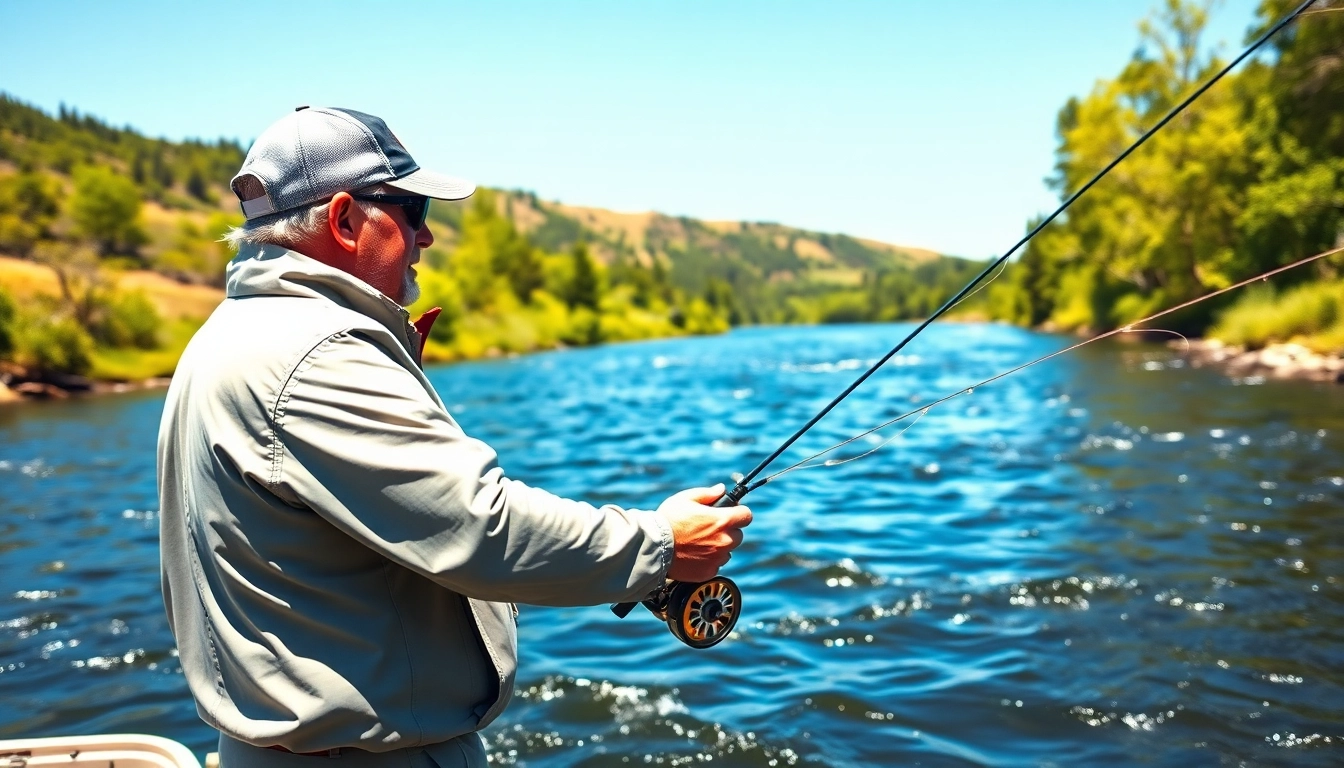
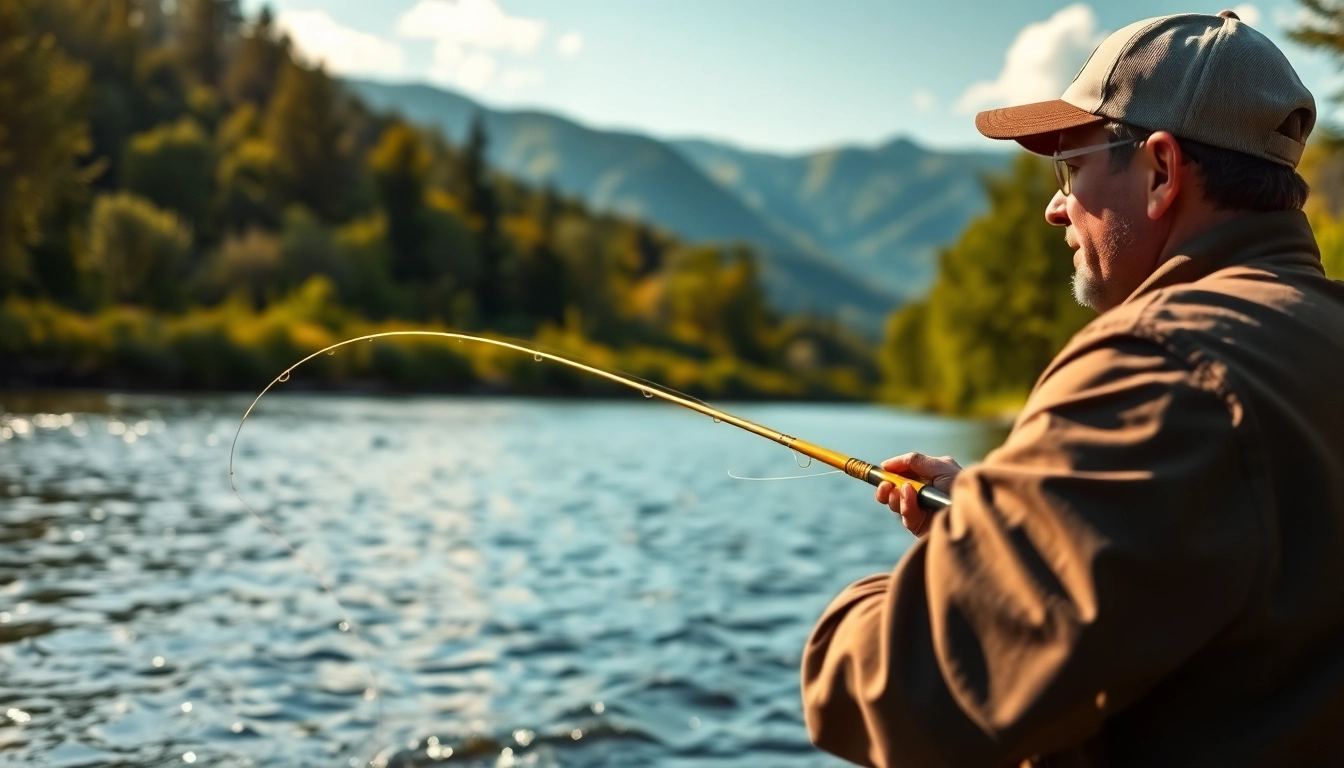
Understanding Fly Fishing Line: Basics and Importance
Fly fishing is a unique method that combines skill, technique, and a solid understanding of the equipment involved. At the heart of this process lies the Fly fishing line, which plays a crucial role in the effectiveness of your cast, presentation, and ultimately your success in catching fish. Understanding what fly fishing line is and its significance can enhance your fly fishing experience.
What is Fly Fishing Line?
Fly fishing line is a specially designed line used in the sport of fly fishing. Unlike traditional fishing line, fly fishing line is thicker and heavier, allowing it to carry the weight of the fly and make longer casts. It is available in various weights, tapers, and materials, each suited to different fishing conditions and targets. The primary function is to deliver the fly to the fish while ensuring that the presentation looks natural.
Components of Fly Fishing Line
Understanding the components of fly fishing line helps anglers select the right line for their needs. The two main parts of a fly line are:
- Head: The front portion that contains the taper and is responsible for casting.
- Running Line: The rear section that enables the angler to control the line after the cast has been made.
Fly lines may also include additional components like backing (a strong line attached to the reel) and leaders (a thin line connecting the fly to the main line).
Why Quality Matters in Fly Fishing Line
Investing in high-quality fly fishing line is essential for several reasons:
- Performance: Quality lines cast better, allowing for more accurate and longer casts.
- Durability: A good line will withstand wear and tear, reducing the need for frequent replacements.
- Sensitivity: Quality lines provide better feel and feedback, enhancing the angler’s ability to detect strikes.
Types of Fly Fishing Line Explained
Not all fly fishing lines are created equal, and understanding the different types can improve your success rate when out on the water. Here’s a detailed breakdown.
Floating vs. Sinking Fly Fishing Line
Floating fly lines are the most common and versatile type. They sit on the water’s surface and are ideal for dry fly fishing and various techniques, including skating and waking. Sinking fly lines, however, are designed for sub-aquatic presentations, making them a go-to for nymphing or streamer fishing in deeper waters. Choosing between the two often depends on the fishing environment and the species targeted.
Weight Forward vs. Double Taper Line
Weight Forward (WF) lines are tapered with a heavier front section that aids in casting, allowing anglers to efficiently cast larger flies over longer distances. Double taper (DT) lines have a symmetrical taper on both ends, providing delicacy in presentation and excellent control for precise casting. Each type serves different angling techniques, and understanding when to use each can drastically impact your fishing efficacy.
Specialty Lines for Unique Situations
Specialty lines address specific fishing scenarios, including:
- Euro Nymphing Lines: Designed for nymphing techniques, these lines tend to be thinner and allow anglers to achieve better sensitivity.
- Shooting Lines: Slim and low-diameter lines designed for casting long distances with minimal drag.
- Saltwater Lines: Built to withstand harsh saltwater conditions while providing the necessary performance to catch larger species.
How to Choose the Right Fly Fishing Line
Choosing the right fly fishing line can significantly enhance your overall fishing experience. This section will guide you through the decision-making process.
Factors to Consider in Selection
When selecting a fly fishing line, consider the following:
- Target Species: Different species of fish may require different types of lines.
- Fishing Conditions: Assess the environment, including water depth, flow, and obstructions.
- Fishing Technique: Whether you’re nymphing, dry-fly fishing, or targeting specific species will influence your choice.
Matching Line with Rod and Reel
Ensure that your fly fishing line matches the weight of your rod and reel setup. A mismatch can lead to ineffective casting and poor performance. Consult the manufacturer’s recommendations or expert guides to determine the ideal line weight for your rod.
Common Mistakes to Avoid
Avoiding common pitfalls can save time and frustration when fishing:
- Not checking for damage periodically, which can lead to lost fish.
- Overloading your rod with a line that is too heavy or too light.
- Neglecting to clean and maintain your line, leading to reduced performance.
Tips for Casting and Techniques with Fly Fishing Line
Once you’ve chosen the right fly fishing line, mastering casting techniques can enhance your success as an angler. Here are some tips for both beginners and experienced anglers.
Basic Casting Techniques for Beginners
Starting with these fundamental techniques can lay the groundwork for effective casting:
- False Casting: Develop your timing and line control by practicing false casting to allow the line to extend fully before the final cast.
- Roll Cast: A useful technique for casting in tight spaces, the roll cast allows you to present the fly without much backcasting.
- Sidearm Casting: This technique helps you navigate windy conditions by minimizing wind resistance on the line.
Advanced Techniques for Experienced Anglers
For seasoned anglers, delving into advanced techniques can provide advantages over less experienced competitors:
- Double Haul: This technique incorporates a pull on the line during both the backcast and forward cast, increasing line speed and distance.
- Spey Casting: Ideal for working in large rivers or streams, the Spey cast allows for efficient casting without requiring a backcast.
- Euro Nymphing Techniques: Mastering euro nymphing focuses on sensitivity, positioning, and tight line control.
Maintenance Tips for Longevity of Fly Fishing Line
Maintaining your fly fishing line is crucial for its performance. Here are vital practices:
- Cleaning: Regularly clean your line using warm water and mild soap to remove dirt and debris.
- Storage: Store your line in a cool, dry place, and avoid excessive bending where possible.
- Inspecting: Periodically check for frays, nicks, or other damage that could compromise functionality.
Frequently Asked Questions about Fly Fishing Line
What is the best fly fishing line for beginners?
The best line is typically a weight-forward floating line, as it is versatile and easy to use, allowing for various fishing techniques.
How often should I replace my fly fishing line?
It’s advisable to replace your line every 1-2 years or sooner if you notice significant wear or performance issues.
What’s the difference between floating and sinking lines?
Floating lines sit on the water’s surface, making them suitable for dry flies, while sinking lines are designed to submerge, attracting fish at various depths.
Can I use the same line for saltwater and freshwater fishing?
It’s best to use dedicated lines for each environment due to differences in water salinity, conditions, and the behavior of fish species.
What should I clean my fly fishing line with?
Use mild soap and warm water to clean your line; avoid harsh chemicals that can damage the line’s coating and material properties.