Understanding the Different Types of Shower Doors for Tubs
When it comes to choosing shower doors for your tub, understanding the various types available can significantly simplify the decision-making process. Each type presents unique features, benefits, and aesthetic appeal that cater to different preferences and bathroom designs. For those searching for the best shower doors for Tubs, knowing these variations is essential for making an informed choice.
Frameless Shower Doors: Elegance and Style
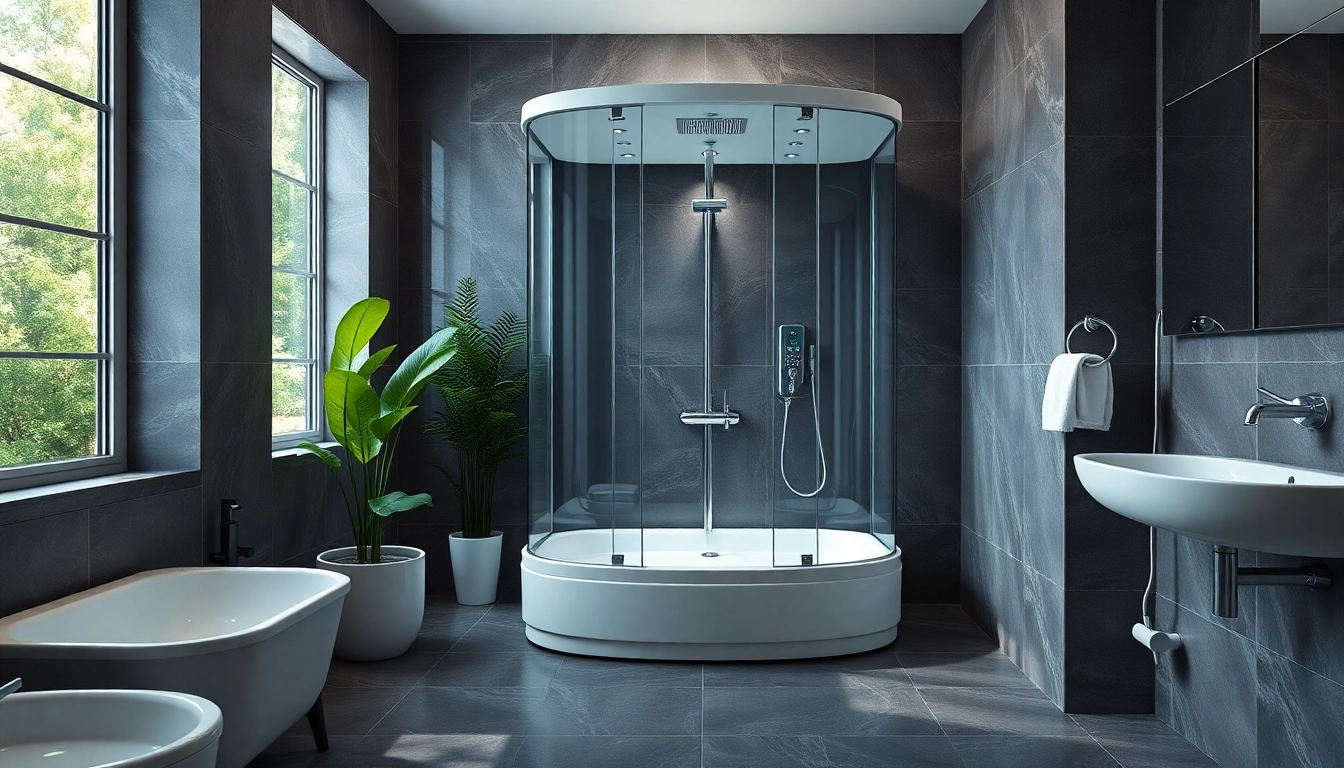
Frameless shower doors have gained immense popularity in modern bathroom designs due to their sleek and contemporary look. These doors typically consist of heavy, tempered glass without a supporting metal frame, presenting a more open and spacious feel.
Advantages of frameless shower doors include:
– Aesthetics: They provide a clean, minimalistic appearance that can enhance the luxurious feel of any bathroom.
– Easy Maintenance: With fewer crevices where dirt and grime can accumulate, frameless doors are generally easier to clean and maintain.
– Versatility: They work well with various design styles, whether contemporary, traditional, or eclectic.
However, it is important to note that frameless doors may require a larger initial investment due to the quality of glass and installation techniques involved. If you desire an upscale look in your bathroom, frameless doors can be worth the expense.
Framed Shower Doors: Durability Meets Affordability
Framed shower doors are the traditional alternative to their frameless counterparts. These doors feature a metal frame that supports the glass panels, making them a robust and secure option for bathrooms, especially for kids and pets.
Key benefits of framed shower doors include:
– Cost-Effective: Generally more affordable than frameless options, they offer durability without breaking the bank.
– Structural Support: The framing adds stability and can help prevent leaks, ensuring your bathroom stays dry.
– Wide Availability: Framed doors come in various styles, colors, and textures, making it easier to find a model that complements existing décor.
These doors, however, may not have the same sleek appearance as frameless doors. Consequently, they might not be the best choice if you’re aiming for a modern and open bathroom design.
Bi-Fold and Sliding Doors: Making the Most of Your Space
For bathrooms where space is at a premium, bi-fold and sliding doors can be exceptional alternatives.
– Bi-Fold Doors: These doors fold in on themselves, taking up minimal space when opened. This design makes them ideal for narrow bathrooms or situations where there isn’t enough clearance for traditional doors. They offer both style and functionality while allowing for easy access.
– Sliding Doors: Sliding doors glide on a track, making them a favorable choice for smaller spaces. They eliminate the need for swing space, allowing you to keep furniture or décor close to the shower area. Available in various styles, sliding shower doors can cater to multiple aesthetics.
Both options can enhance convenience and maximize bathroom space, but it’s essential to consider the installation and maintenance requirements, as sliding tracks can sometimes accumulate dirt.
Key Considerations When Selecting Shower Doors
Selecting the right shower doors for your tub involves more than just aesthetic appeal. It’s crucial to consider measurement, safety features, and personal preferences to ensure the best fit for your home.
Measuring Your Space Effectively
Accurate measurements are the foundation of a successful installation. Here are the key steps to measure your bathtub space:
1. Height Measurement: Measure the height from the floor to the top of the tub. Most shower doors range from 58 to 72 inches.
2. Width Measurement: Measure the entire width of the tub, accounting for the space from one edge to the other.
3. Consider Obstructions: Take note of any fixtures, such as faucets or showerheads, that may affect the door’s installation or operation.
Ensure you adhere to these guidelines to avoid costly mistakes during installation.
Choosing the Right Glass Thickness
Glass thickness plays a pivotal role in the performance and durability of shower doors. Standard glass thickness options for shower doors include:
– 1/8 inch: Best suited for framed doors where additional support is provided by the frame.
– 3/16 inch: Offers more stability and is suitable for semi-frameless models.
– 1/4 inch: The recommended thickness for frameless doors, ensuring strength and safety.
Always opt for tempered glass, as it is designed to withstand heat and accidental impacts, shattering into small blunt pieces rather than shards, which ensures safety.
Prioritizing Safety Features in Your Selection
Safety shouldn’t be overlooked when selecting shower doors. Here are essential features to consider:
– Tempered Glass: As mentioned, ensure that the selected glass is tempered for added durability.
– Shatter Resistance: Look for options that claim enhanced shatter resistance to mitigate risks.
– Secure Hardware: Verify the quality and durability of hardware like hinges, tracks, and handles, which impact the door’s overall safety.
Investing in safety features enhances long-term use and adds reassurance to your bathroom experience.
Installation Tips for New Shower Doors
Whether you choose to install shower doors yourself or hire a professional, understanding the installation process can make things smoother.
DIY Installation: Pros and Cons
A DIY approach can save money but comes with its challenges. Key considerations include:
– Pros: Cost-effective, personalized installation pace, and flexibility in choice.
– Cons: Requires significant effort, potential for mistakes, and limited experience with specialized tools.
If you have experience with home improvement projects, installing your shower doors can be rewarding. However, thoroughly read the installation manuals and gather essential tools before starting.
Hiring Professional Help: When to Consider
If you feel uncertain about the installation process, hiring a professional can be beneficial. Indicators that you should consider professional installation include:
– Lack of experience with similar projects
– Complex configurations or oversized doors
– Tight timelines or urgency for completion
A professional may also offer a warranty on their work, providing peace of mind about your investment.
Maintenance: Keeping Your Shower Doors in Top Shape
Maintaining shower doors ensures their longevity and keeps your bathroom looking fresh. Here are practical maintenance tips:
– Regular Cleaning: Use glass cleaners to remove soap scum and hard water spots.
– Daily Wipe Down: A quick wipe after each use can reduce buildup.
– Check Hardware: Regularly inspect hinges, tracks, and seals for wear and make adjustments as necessary.
By establishing a maintenance routine, you can enjoy beautiful, functional shower doors for years to come.
Comparing Costs of Various Shower Door Options
Understanding the cost of shower doors helps you budget effectively and choose the option that fits your financial plan.
Budget Breakdown: Various Types Explained
The pricing of shower doors varies by type and material. The general cost breakdown includes:
– Framed: $300 – $1,200
– Semi-Frameless: $800 – $1,300
– Pivot: $800 – $1,400
– Sliding: $700 – $2,000
Knowing this breakdown allows you to plan accordingly and focus on models within your budget.
Long-term Value: Investing Wisely
While it may be tempting to opt for the cheapest option, consider long-term value. Investing in quality doors may cost more upfront, but they can provide better durability and lower maintenance expenses over time.
Additionally, door types such as frameless variants can enhance your bathroom’s aesthetics and potentially increase your property’s overall value when classified as upscale.
Cost-Saving Tips for Budget Conscious Households
If you’re on a budget, consider these cost-saving strategies:
– Shopping Sales: Timing your purchase during seasonal sales can lead to significant savings.
– Consider Used Options: Check local marketplaces for quality second-hand doors that can fit your needs.
– DIY Installations: Reducing labor costs by tackling the installation yourself can yield favorable results.
Acquiring valuable materials at reasonable prices enables you to achieve your desired bathroom design without overspending.
FAQs About the Best Shower Doors for Tubs
How much does a bathtub shower door cost?
The cost varies by type, with framed doors costing around $300–$1,200, semi-frameless around $800–$1,300, pivot doors $800–$1,400, and sliding options typically ranging from $700–$2,000.
Are glass doors on a tub a good idea?
Yes! Glass doors enhance a bathroom’s openness and are excellent for showcasing beautiful tilework while offering a modern look.
What type of glass is best for shower doors?
Tempered glass is ideal for safety and durability, as it shatters into small, blunt pieces rather than sharp shards when broken.
How can I maintain my shower doors?
Regular cleaning with appropriate glass cleaners, wiping them down after each use, and checking seals can keep your shower doors pristine.
What styles of shower doors suit small bathrooms?
Sliding and bi-fold shower doors are ideal for limited spaces, as they require less swing room compared to traditional doors.