Understanding Cookware: Types and Materials
Cookware is an essential aspect of any kitchen, influencing not only your cooking experience but also the quality of the meals you prepare. Whether you are a novice in the kitchen or an experienced chef, the right cookware can transform your culinary adventures. In this guide, we delve deep into the world of cookware, examining its various types, materials, and many other considerations that affect your cooking success.
1.1 Essential Cookware Types
Cookware encompasses a wide array of kitchen tools designed for different cooking methods. Knowing which type of cookware suits your needs is crucial.
- Fry Pans/Skillets: Designed for frying, sautéing, and browning. They typically have low, flared sides and a long handle for easy maneuverability.
- Sauce Pans: These pots have high sides and come with a lid. They are ideal for cooking sauces, boiling pasta, or simmering soups.
- Stock Pots: Stock pots are large and deep, perfect for making stock, large batches of soup, or pasta.
- Roasting Pans: Best for roasting meats and vegetables, they typically come with a rack to elevate the food above the drippings.
- Griddles: These flat pans are used for making pancakes, grilled sandwiches, or searing meats. They usually require no oil for cooking.
1.2 Material Differences Explained
The material your cookware is made from significantly impacts its performance. Here are the most common materials used:
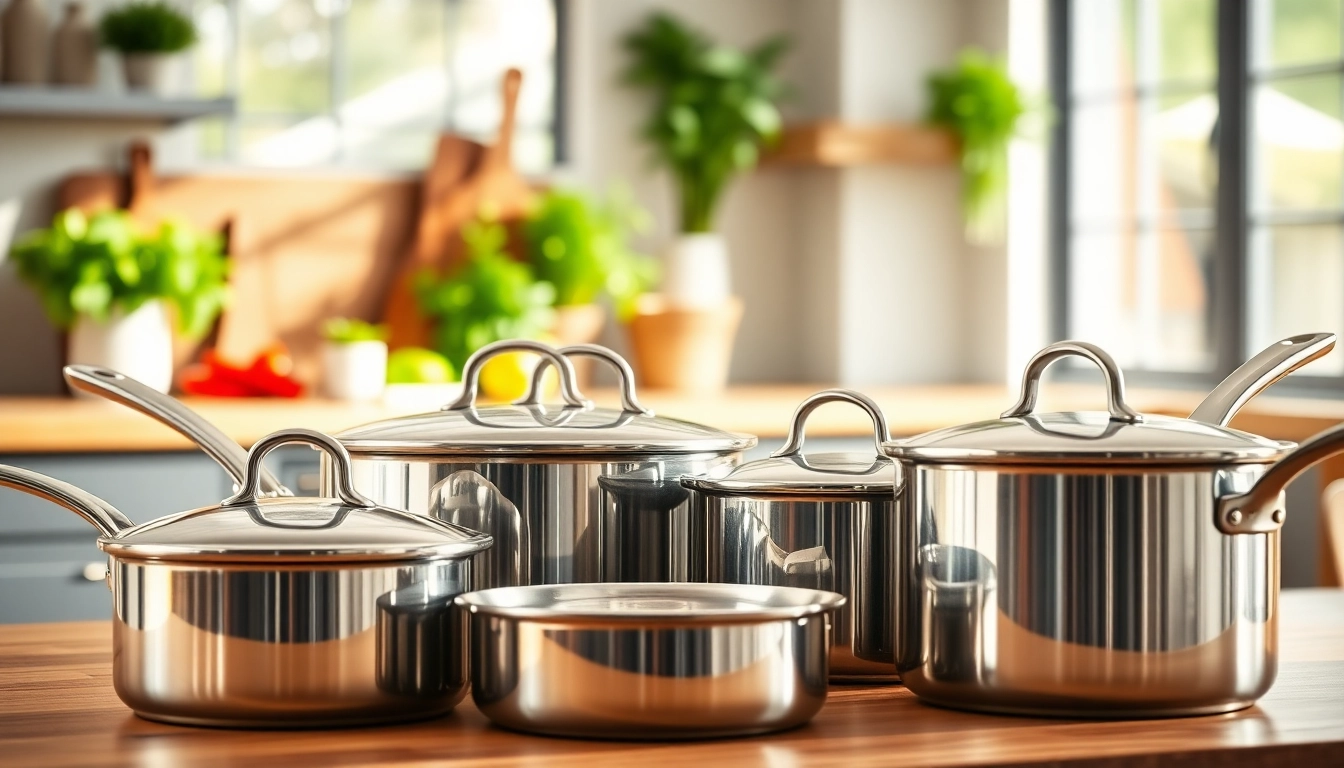
- Stainless Steel: Durable and resistant to corrosion, stainless steel is known for its non-reactive nature and even heat distribution.
- Non-Stick: Ideal for low-fat cooking and food that tends to stick, non-stick cookware makes for easy clean-up.
- Cast Iron: Renowned for its heat retention, cast iron can be used on the stovetop or in the oven. It often improves with age and seasoning.
- Carbon Steel: Similar to cast iron but lighter, carbon steel heats quickly and is commonly used in professional kitchens.
- Ceramic: This option is often touted as healthier, being free from harmful chemicals, but care must be taken to avoid scratching.
1.3 Non-stick vs. Traditional Cookware
When deciding between non-stick and traditional cookware, there are several factors to consider. Non-stick cookware allows for healthier cooking, as less oil is required. However, it may not withstand high heat as well as traditional cookware.
Traditional cookware, such as stainless steel or cast iron, offers greater versatility in cooking methods, including high-heat searing. It also tends to last longer if well cared for. Ultimately, the choice between the two depends on your cooking style and preferences.
Choosing the Right Cookware for Your Needs
Choosing the right cookware involves considering various factors, such as your cooking habits, preferred heat sources, and budget. This section will guide you through the critical decision-making processes.
2.1 Evaluating Cooking Styles
Your cooking style plays a pivotal role in determining the cookware that best suits you. For instance:
- If you enjoy browning and frying food, a quality frying pan or sauté pan may be essential.
- If you prefer simmering sauces and soups, investing in a robust sauce pot can yield better flavor and texture.
- For baking enthusiasts, a variety of baking dishes and a sturdy baking sheet are necessary.
2.2 Considering Heat Sources
Different heat sources can impact your choice of cookware. If you use induction cooking, ensure that your cookware is specifically designed for induction-compatible surfaces. Traditional gas or electric stovetops can accommodate most types of cookware, but cast iron and stainless steel may be the best options for optimal heat control and durability.
2.3 Budget vs. Quality Decisions
While it’s tempting to opt for the cheapest option, consider the long-term value. Higher-quality cookware may require a more significant initial investment, but it often lasts considerably longer. Assess what you need and align your budget to prioritize essential pieces that will enhance your cooking experience.
Care and Maintenance of Cookware
Taking proper care of your cookware ensures longevity and optimal performance. Each material requires different care techniques, which we will cover in this section.
3.1 Cleaning Techniques for Longevity
To maintain your cookware effectively, follow these cleaning tips:
- Stainless Steel: Clean with warm, soapy water and a non-abrasive sponge. For stubborn stains, a stainless steel cleaner can restore shine.
- Non-Stick: Always use non-metal utensils to avoid scratches and clean with a soft cloth or sponge to preserve the coating.
- Cast Iron: Avoid soap and let cool before rinsing. Dry thoroughly and apply a thin layer of oil before storing to prevent rust.
- Carbon Steel: Similar to cast iron, avoid soap and dry it immediately after washing to prevent moisture accumulation.
3.2 Storing Cookware Safely
Proper storage can prevent damage to your cookware. Consider these storage tips:
- Use pot protectors or soft cloth between stacked pots and pans to prevent scratching.
- Store lids separately to prevent wear on the edges of pots that can happen when stacked.
- Keep your cookware in a dry place to reduce the risk of rust and corrosion.
3.3 Signs Your Cookware Needs Replacement
Knowing when to replace your cookware can save you from cooking disasters. Keep an eye out for these signs:
- For non-stick pans, if the coating is peeling or scratched, it’s time for a new one to avoid contamination.
- Rust stains on cast iron can signify that it’s time to replace or re-season it. If irreparable, it may be best to buy a new piece.
- Warped surfaces on pots could hinder cooking efficiency, indicating that they should be replaced.
Cookware for Different Cooking Methods
Different cooking methods require specific cookware to achieve the best results. This section will discuss which cookware is ideal for various cuisines and techniques.
4.1 Best Cookware for Baking
For baking, using the correct pans is paramount:
- Invest in good quality baking sheets with a nonstick surface for cookies and pastries.
- Glass and ceramic dishes are excellent for casseroles and baked pasta, as they retain heat well.
- Silicone mats can be handy for preventing sticking and allow easy removal of baked goods.
4.2 Cookware for Sautéing and Frying
To sauté or fry food effectively:
- Choose a heavy-bottomed pan for better heat distribution and to avoid hot spots.
- Opt for non-stick pans for low-fat cooking and easy food release, especially with delicate items like eggs or fish.
- For deep frying, select a pot that can contain high temperatures and has sufficient depth.
4.3 Specialty Cookware Uses
Some cooking methods require specialty cookware:
- Using a wok for stir-frying allows for high heat and quick cooking, perfect for Asian cuisines.
- A tagine is ideal for slow cooking stews, retaining moisture and infusing flavors beautifully.
- Enamel-coated cookware can provide both aesthetic appeal and excellent cooking results, great for presentations.
Health and Safety Considerations in Cookware
Your cookware selection not only impacts cooking efficiency but also your health. Various factors should be considered to ensure safety.
5.1 Non-toxic Cookware Options
As awareness about the effects of harmful chemicals in cookware has risen, non-toxic options have become more popular. Look for:
- Cookware labeled as PFOA-free and PFAS-free, ensuring that no toxic substances are released during cooking.
- Natural materials, such as ceramic or glass, which are preferable for their inert properties.
5.2 BPA-Free and Safe Materials
BPA (Bisphenol A) can leach into food from certain materials. To avoid this, choose:
- BPA-free plastics for lids and cooking utensils that come into contact with food.
- Glass or stainless steel options that naturally do not harbor harmful chemicals.
5.3 Environmental Impact of Cookware Choices
Consider the environmental footprint of your cookware. By opting for sustainably sourced materials, reusable options, and avoiding single-use items, you contribute to reducing waste. Look for cookware made from recycled materials or those with reduced chemical coatings to minimize environmental impact.
FAQs
What is the best material for cookware?
The best material depends on your cooking style. Stainless steel is versatile, non-stick is excellent for low-fat cooking, and cast iron provides excellent heat retention.
How do I clean non-stick cookware?
Clean non-stick cookware with warm, soapy water and a soft sponge. Avoid abrasive cleaners and metal utensils to maintain the non-stick surface.
Is cast iron cookware safe for health?
Yes, cast iron cookware is generally safe and can add iron to your diet. Just be sure to maintain it properly to avoid rusting.
Can I use metal utensils on stainless steel cookware?
Yes, metal utensils are safe to use on stainless steel cookware. However, be careful with non-stick surfaces where they can scratch the coating.
What cookware is best for induction cooking?
Induction cooking requires magnetic cookware, so look for items labeled as induction-compatible, like stainless steel or cast iron.