Understanding Custom Steel Fabrication
Custom steel fabrication is a specialized process that transforms raw steel into customized products tailored for specific applications. It involves various techniques such as cutting, bending, and assembling steel to meet unique specifications. Whether for industrial, architectural, or automotive needs, custom steel fabrication enables the creation of a wide range of steel structures and components.
What is Custom Steel Fabrication?
Custom steel fabrication encompasses the creation of tailored steel structures through a blend of design, engineering, and manufacturing processes. It serves numerous industries, ranging from construction to manufacturing, by allowing companies to produce parts that fit specific dimensions and functionalities. The process typically begins with the design phase, where engineers and fabricators collaborate to create detailed blueprints including specifications such as dimensions, material grades, and functionality requirements.
Key Benefits of Custom Steel Fabrication
- Tailored Solutions: Allows for designs that meet unique needs, enhancing functionality and performance.
- Increased Efficiency: Customized components can reduce assembly time and increase overall project efficiency.
- Improved Quality: High-quality materials ensure durability and longevity, leading to lower maintenance costs over time.
- Cost-Effectiveness: While initial costs may be higher, tailored solutions often lead to savings in assembly and maintenance.
- Innovative Design: The ability to use advanced software enables complex and precise designs that can push the boundaries of creativity.
Types of Custom Steel Fabrication Services
The realm of custom steel fabrication encompasses several distinct services, including:
- Structural Fabrication: This service involves creating large frameworks for buildings and bridges, ensuring they meet safety and design standards.
- Mechanical Fabrication: Involves the production of parts and products that support machinery and equipment functionality.
- Metal Stamping: This process enables the mass production of shaped metal parts through stamping techniques.
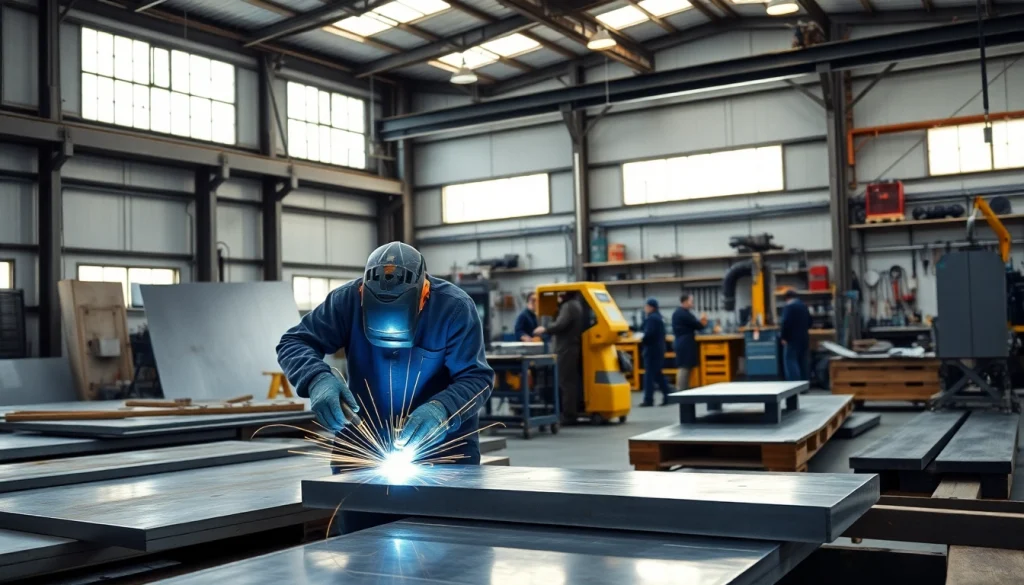
- Welding Services: Essential for joining different metal components, varying techniques like MIG and TIG welding are utilized in custom projects.
- Sheet Metal Fabrication: Focuses on cutting, bending, and shaping sheet metal to create bespoke products tailored to clients’ needs.
Applications of Custom Steel Fabrication
Custom steel fabrication plays a crucial role across various industries, catering to distinct needs. Its versatility is advantageous in integrating steel solutions into diverse applications.
Industrial Uses of Custom Steel Fabrication
In industrial settings, custom steel fabrication is essential for constructing machinery components, equipment housings, and storage solutions. The ability to produce parts with high tolerances ensures that machinery operates smoothly and effectively. For instance, customized steel frames can support large machines, while tailored component designs can integrate seamlessly with existing systems. Moreover, the flexibility of custom fabrication enables companies to adapt to changing specifications or innovate new products quickly.
Architectural Applications of Custom Steel Fabrication
Architects often rely on custom steel fabrication for structural elements such as beams, columns, and staircases. These tailored solutions not only provide necessary support but also contribute to the overall aesthetic of a building. Custom designs can feature intricate detailing or unique shapes that transform typical construction into works of art. From decorative railings to expansive steel canopies, custom fabricated solutions enhance both functionality and visual appeal in architectural designs.
Custom Steel Fabrication in the Automotive Sector
The automotive industry employs custom steel fabrication extensively to develop components such as frames, chassis, and specific interior elements. Each vehicle manufacturer may have unique specifications to fulfill performance and safety requirements, making custom solutions vital. Additionally, custom fabrication allows for rapid prototyping, enabling manufacturers to test new designs efficiently and effectively in real-world conditions before mass production.
Process of Custom Steel Fabrication
The custom steel fabrication process involves a series of carefully coordinated steps, beginning from the planning phase and continuing through to final production.
Designing for Custom Steel Fabrication
The design phase is critical in custom steel fabrication. Utilizing computer-aided design (CAD) software, engineers create detailed plans that specify dimensions, materials, and structural requirements. Clients’ needs are paramount during this phase to ensure that the final product aligns with their visions and meets industry standards. Prototyping may also occur during this stage to validate designs before moving to production, allowing for necessary adjustments.
Fabrication Techniques Explained
Various fabrication techniques are employed, depending on the project requirements. Common methods include:
- Cutting: Techniques such as laser cutting, plasma cutting, and water jet cutting are utilized to shape raw materials into specified forms.
- Bending: Steel can be bent into specific angles or curves through processes like brake forming or roll forming.
- Welding: Different welding methods join steel components, providing the necessary strength and integrity required in heavy-duty contexts.
- Assembly: Once individual parts are fabricated, they are assembled through welding, bolting, or fastening to create the final product.
Quality Control in Custom Steel Fabrication
Quality control is pivotal in ensuring the reliability of custom fabricated products. Inspections occur at various production stages, verifying each component meets predefined standards. Tests can include dimension accuracy, material integrity assessments, and stress testing. Implementing a robust quality assurance protocol helps prevent defects and guarantees that the final product adheres to safety and performance criteria.
Choosing the Right Custom Steel Fabricator
Selecting an appropriate custom steel fabricator is essential to achieving project goals. Various factors influence this decision, from expertise to technological capabilities.
Factors to Consider in Your Selection
- Experience: Look for a fabricator with extensive experience in your industry to ensure they understand specific requirements and challenges.
- Customization Capabilities: Assess the provider’s ability to produce tailored solutions that meet your exact specifications.
- Technology Integration: A fabricator should employ modern technology such as CAD software and CNC machinery to enhance precision and efficiency.
- Reputation: Research client testimonials and previous project case studies to gauge the quality and reliability of the fabricator’s work.
- Cost Structure: Request detailed quotes to understand how pricing is structured, ensuring there are no hidden fees that could impact your budget.
Evaluating Experience and Expertise
When choosing a custom steel fabricator, evaluate their expertise through portfolio reviews and industry reputation. A seasoned fabricator should be able to showcase previous projects that align with your needs. Ask for references or case studies that illustrate their success with similar projects, which can provide insight into their capabilities and problem-solving approach.
Understanding Quotes and Project Timelines
It’s crucial to understand the quote provided by the fabricator fully. A comprehensive quote should itemize materials, fabrication processes, expected timelines, and labor costs. Ensure to discuss project timelines and confirm that they align with your deadlines. Transparent communication regarding potential delays or adjustments will aid in managing expectations throughout the fabrication process.
Future Trends in Custom Steel Fabrication
The landscape of custom steel fabrication continuously evolves, influenced by innovations, sustainability efforts, and technology integration. Understanding these trends can help businesses anticipate the future of their projects.
Innovations Impacting Custom Steel Fabrication
Recent advancements in fabrication technology include automation and robotics, enabling more efficient and precise production lines. Innovations such as 3D printing in metal fabrication also emerge, allowing for the rapid production of complex designs that were once cumbersome or costly. The integration of artificial intelligence in design and fabrication processes can further enhance productivity and reduce human error, revolutionizing manufacturing approaches.
Sustainability in Custom Steel Fabrication
As industries strive for sustainability, custom steel fabrication plays a crucial role in reducing environmental impact. Employing recycled materials and optimizing designs for minimal waste is becoming standard practice. Additionally, the development of eco-friendly fabrication processes that reduce emissions and energy consumption is gaining traction, aligning corporate practices with eco-conscious goals.
The Role of Technology in Custom Steel Fabrication
Technology continues to transform custom steel fabrication, from design to production. The use of cloud-based collaboration tools allows for seamless communication and project management among teams. Advanced software solutions can analyze material properties in real-time, enhancing decision-making processes. Additionally, IoT integration enables devices to gather data during fabrication processes, improving monitoring and quality assurance.
Frequently Asked Questions (FAQs)
What is custom steel fabrication?
Custom steel fabrication is the process of creating tailored steel components and structures according to specific design requirements, often using advanced machinery and techniques.
What industries use custom steel fabrication?
Industries like construction, automotive, aerospace, and manufacturing utilize custom steel fabrication for various applications, including structural components and machinery parts.
How long does the custom steel fabrication process take?
The timeline for custom steel fabrication varies based on project complexity and scale but typically includes design, production, and assembly phases that can take weeks to months.
What materials are used in custom steel fabrication?
Common materials include different grades of steel, such as carbon steel, stainless steel, and alloy steel, chosen based on the project’s specific performance and durability requirements.
How can I choose the right fabricator for my project?
Consider factors like experience, capabilities, technology, and customer reviews when selecting a fabricator to ensure they align with your project needs and quality standards.